
Supporting Creative Teams Through Change
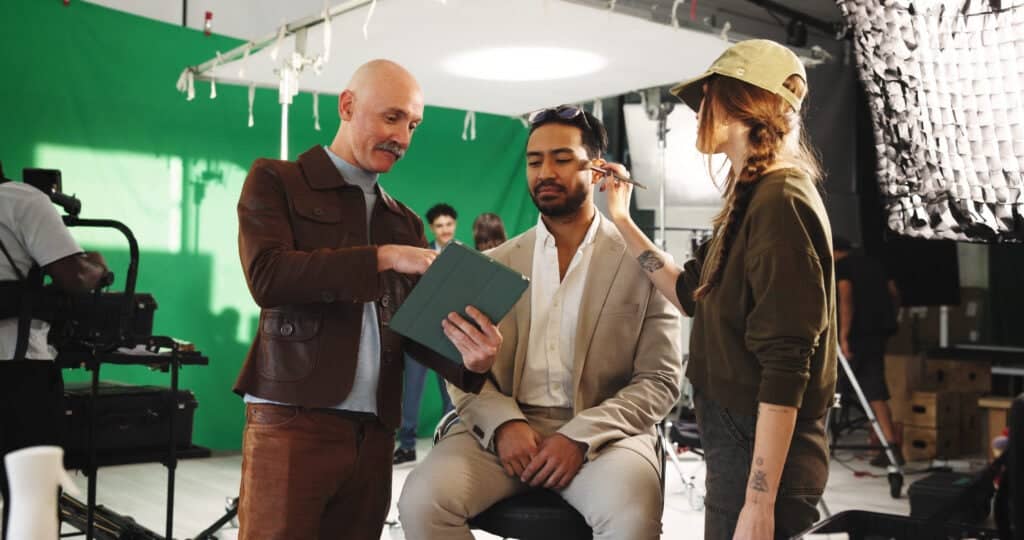
This resource is part of Safety Talk: Coping with Change in Arts & Entertainment. Download the Supporting Your Team Through Change quick reference guide as a handy resource or watch the video.
As leaders in arts and entertainment, effectively managing change directly impacts both team well-being and creative success. It also creates a psychologically safe environment for your workers.
Change can include everything from:
- Last-minute creative direction shifts, script revisions, or design changes
- Cast, crew, or creative team changes mid-production
- Technical challenges, equipment failures, or venue changes requiring rapid adaptation
- Opening nights, closing performances, wrap dates, and end-of-contract transitions
- Seasonal programming shifts across theatre seasons, festival cycles, or touring schedules
- Power dynamics and hierarchy changes as projects evolve
- New collaborators, directors, producers, or department heads
Changes can be positive or negative, and even positive changes can bring strong emotions.
Here are some strategies for creating a supportive environment during periods of change.
Establish Clear Communication Channels
- Create regular touchpoints with team members before, during, and after transitions.
- Schedule one-on-one conversations to discuss concerns, career goals, and potential opportunities.
- Implement an open-door policy and demonstrate active listening when team members share their concerns. Be mindful of power dynamics inherent in creative industries and work to create psychologically safe spaces for honest dialogue.
- Use the DEAR framework (Describe, Express, Assert, Reinforce) in your communications to model effective dialogue.
Develop Transition Planning
- Start conversations about project endings and seasonal changes well in advance.
- Discuss future plans and debrief on how this production went and the possibility of future gigs.
- Consider implementing a “creative alumni” network to maintain connections with valued collaborators between projects and across seasons.
Provide Practical Support
Help team members prepare for transitions through concrete assistance:
- Connect them with other productions, companies, or festivals for upcoming work
- Share information about relevant training, workshops, and professional development
- Create partnerships with complementary organizations across sectors (film/TV, theatre, live events, festivals)
Build Professional Development Opportunities
Use slower periods or between-project time for skill enhancement:
- Arrange cross-sector training sessions
- Facilitate industry certification programs and specialized workshops
- Create mentorship opportunities between established and emerging artists/technicians
- Develop resources for skill-building during off-season or contract gaps
Foster a Culture of Trust
- Acknowledge the emotional impact of changes, especially in creative work where personal investment runs deep.
- Create safer spaces for team members to express concerns without judgment by modeling transparent and open conversations and clear communication. Be aware of potential power imbalances between directors/producers and crew/talent.
- Recognize that even positive changes like promotions, moving to larger productions, or creative recognition can create stress.
Implement Practical Tools
Help team members develop resilience through structured support:
- Introduce the “control inventory” exercise during team meetings – A visual exercise where you draw two circles to separate what you can control from what you can’t, helping you focus energy on actionable items like skill development and networking. (See video for details)
- Share stress management techniques like the “worry window” – A time-management approach where you set aside 15 minutes daily to process concerns, training your mind to defer worries that arise throughout the day to this designated time. (See video for details)
- Encourage use of the 5-4-3-2-1 grounding technique during challenging moments – A sensory awareness exercise where you identify 5 things you can see, 4 you can touch, 3 you can hear, 2 you can smell, and 1 you can taste to bring yourself back to the present moment during stress.
Sector-Specific Considerations
Different sectors within arts and entertainment have unique change patterns:
- Film and TV Production: Manage wrap anxiety and support transitions between projects
- Performing Arts: Navigate post-show emotional letdowns, support actors through casting changes, manage seasonal transitions
- Live Events: Address the intensity of event cycles, support crew through rapid setup/breakdown periods, and travel
- Festivals: Manage seasonal workforce transitions, support volunteers and contract workers through festival cycles
By prioritizing open communication, providing practical support, and acknowledging the unique challenges of creative work transitions, producers and managers can create a more resilient workplace culture that benefits both team members and the organization as a whole.