
Building Crew Resilience in High-Pressure Environments For Department Heads
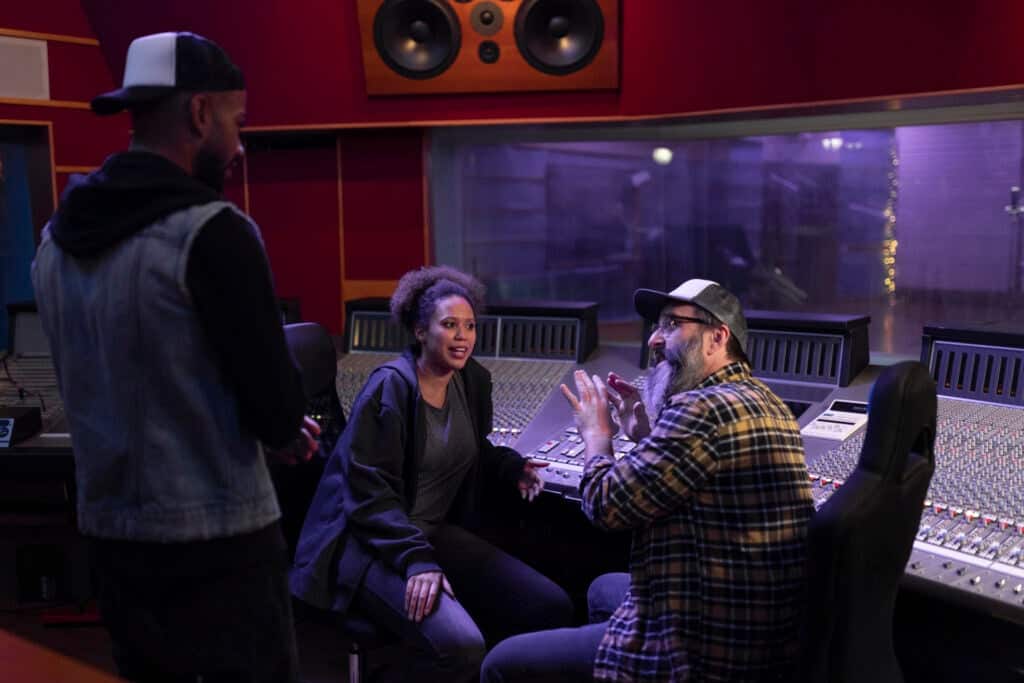
In the arts and entertainment industries, resilience isn’t just an individual skill, it’s a by-product of and foundation for psychologically safe sets, venues, and sites. When crews feel supported, respected, and equipped to manage the pace and pressure of production settings, they’re better able to work safely while maintaining creativity and community.
Today’s environments can bring challenges: economic pressures, high production costs, tight deadlines, irregular schedules, creative tension, and frequent changes. Supporting resilience means moving beyond informal coping strategies and building systemic, intentional structures that protect crew well-being and strengthen collaboration.
Best Practices That Support Crew Well-Being
To create supportive work environments, leadership and team practices must reflect the real-world pressures of production. This includes (wherever possible):
- Clear communication
- Thoughtful and realistic scheduling
- Adequate staffing
- Respectful workplace conduct
- Defined roles and decision pathways
These actions can be reviewed regularly based on feedback from crew, production managers, department heads, and full-time staff. This ensures they stay relevant during busy seasons, slow seasons, and evolving industry demands.
Leadership That Builds Trust and Stability
As with other industries, crews in arts and entertainment may encounter emotionally charged situations, whether from the stress of tech-heavy shows, to managing raucous crowds at a festival, to intense subject matter in a performance.
Crew-centered supervision in these environments means:
- Creating regular, protected spaces for crew to communicate concerns
- Encouraging open discussion about workload, pressure points, and emotional impact
- Balancing accountability with genuine support
- Acknowledging that stress affects even the most experienced crew members
When department heads and production managers adopt leadership practices that support crew wellbeing, it reduces unnecessary stress, improves communication, and strengthens psychological safety.
Support Crew Coordination and Connection
Crew cohesion and connection can significantly boost resilience within crews. Resilience is also improved when people aren’t left to manage challenges in isolation and can rely on consistent ways of staying in sync with one another. Productive communication between crew members can prevent problems from going unnoticed and can also be a stress-reliever.
Supervisors can support collaboration by building regular, work-focused opportunities for crew to connect around the job. This could include team touchpoints, top-of-day or weekly huddles, pre- or post-rehearsal briefings, or even optional small-group check-ins. Encouraging consistent communication opportunities helps foster collaboration and build strong working relationships. It also can result in problems being surfaced earlier and in promoting adaptive & flexible responses in crew when plans change. It helps crew members when they know how information moves, where to raise concerns, and that collaboration and communication exchanges are generally valued.
Professional Development as Part of Resilience
Engaging with colleagues around professional development and skill-building can help individuals to feel recognized and valued. Providing colleagues with the tools needed to continue their improvement can help to foster resilience and promote further learning.
Create accessible learning pathways that align with production needs and crew interests, such as:
- Cross-department skill-sharing that helps members do their jobs better. Note: This is not always advisable in a heavily unionized environment.
- Access to Actsafe training and safety course resources
- Opportunities to develop specific technical or leadership skills
- Shadowing roles during quieter periods for career development. Note: Check with your union about whether this is possible in your own work environment.
When crew members feel supported in their growth, they feel valued and that contributes directly to their individual measure of resilience.
Modelling Sustainable Work Practices
Leaders set the tone for crew culture. When production managers, department heads, or full-time crew model sustainable practices, it signals permission for others to do the same. This includes:
- Taking scheduled breaks
- Being transparent about personal boundaries
- Being open about the resilience strategies they use
- Acknowledging when workloads need adjustment
When crew see leaders protecting their own well-being, they feel safer doing it too.
Check-In Systems That Support Both Individuals and Crews
Use a simple framework during calls or department meetings:
- What’s working?
- What’s challenging?
- What support would help?
Crew or Department-Level Check-Ins. These conversations can address:
- Collective stressors (tight deadlines, resets, complex sequences)
- Successes worth acknowledging
- Department-specific or individual pressure points
- Recent changes in production demands
Embedding these discussions into planning sessions, safety talks, or daily production meetings helps normalize resilience as part of the work.
Key Takeaways
Building crew resilience isn’t about expecting individuals to withstand unreasonable demands.
It’s about creating systems, structures, and cultures that support safe, sustainable work in some of the most dynamic and demanding industries.
When we invest in the well-being of our crews, we strengthen the foundation of every production from concept to wrap, rehearsal to performance, load-in to wrap.